
I’ll be honest: I’ve always wanted my girlfriend to send me more hot selfies. But I quickly realized it was entirely unfair to expect her to do that if I wasn’t willing to learn what makes a good photo and hype her up while she takes them. We all like to look at hot girls online, but taking perfect, confidence-boosting selfies is an entirely separate, highly unnatural skill. If you’re buying lingerie for a shy girlfriend and want her to feel confident snapping a few pictures to share with you, you need to understand the mechanics of the camera lens.
This guide is for the Unfinished Man reader who wants to understand the strategic geometry, lighting, and volume-based execution required to capture a flawless picture. Whether you’re trying to figure out your own angles or you want to teach your partner how to take photos you can both enjoy, here is how the mechanics actually work.
Key Takeaways
A $7 microfiber cloth removes the finger oil blurring your front-facing lens, solving more photo quality issues than upgrading your phone hardware.
Firing off a rapid burst of 100+ photos while constantly shifting your legs guarantees a usable shot without the momentum-killing delay of checking the screen.
A high-contrast photo shot against natural window light eliminates the need for heavy, artificial facial airbrushing apps later.
Table of Contents
The Reality Behind Capturing Perfect Hot Selfies
The difference between an aesthetic self-portrait and a trying-too-hard thirst trap is self-awareness—treat the photo process as a deliberate, fun performance rather than an accurate baseline reflection of everyday reality. You have to actively separate your subject’s physical self-worth from the manufactured image on the screen.






















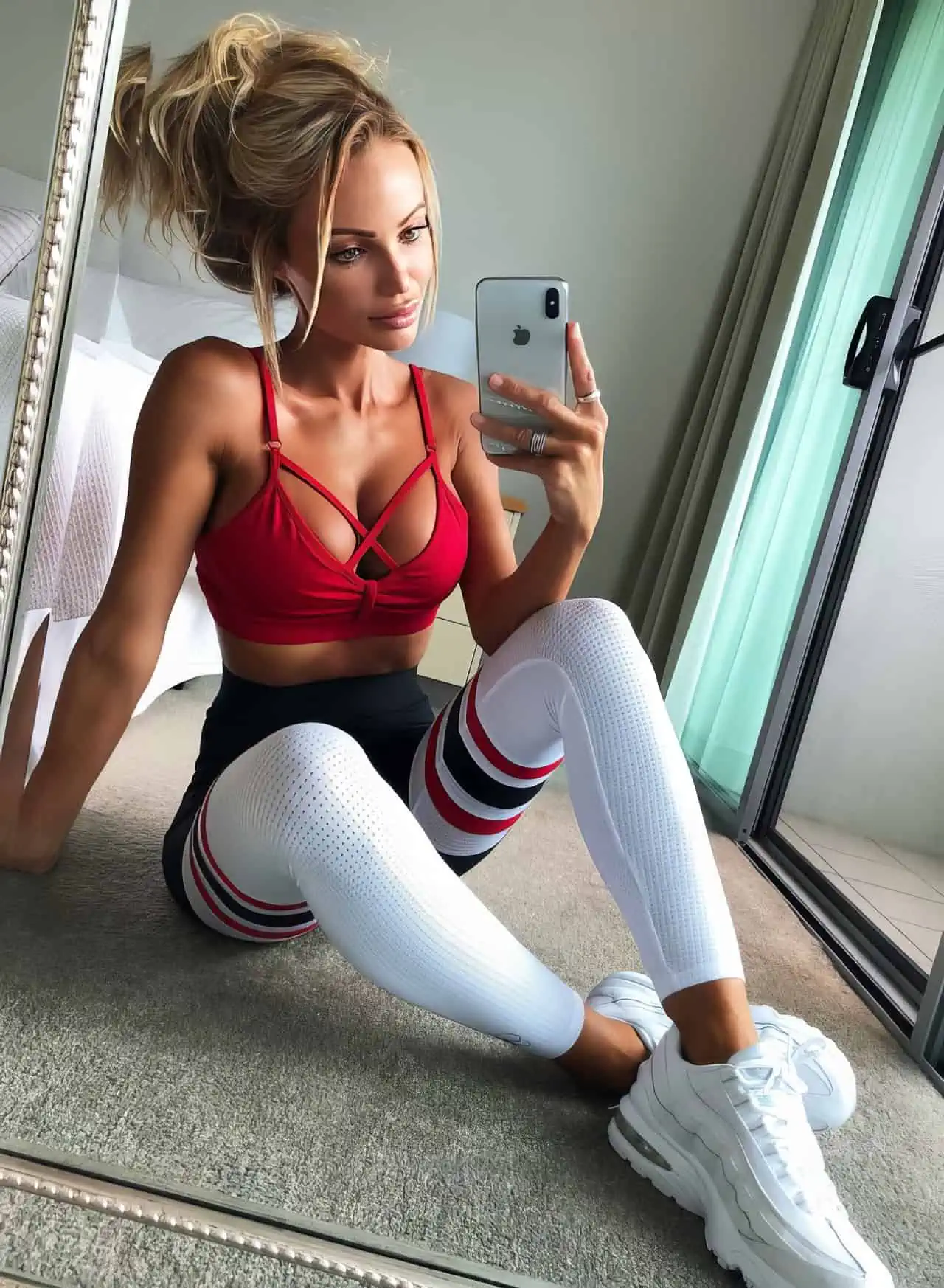












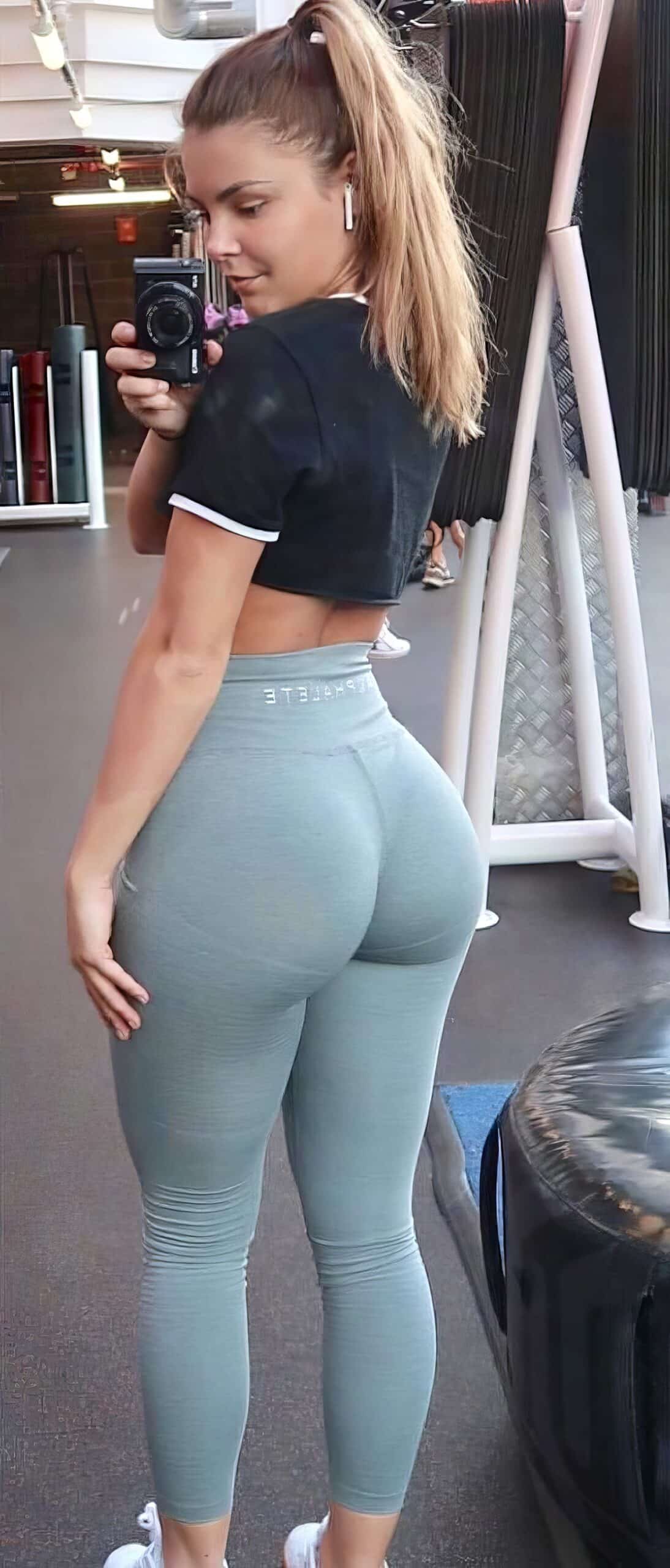








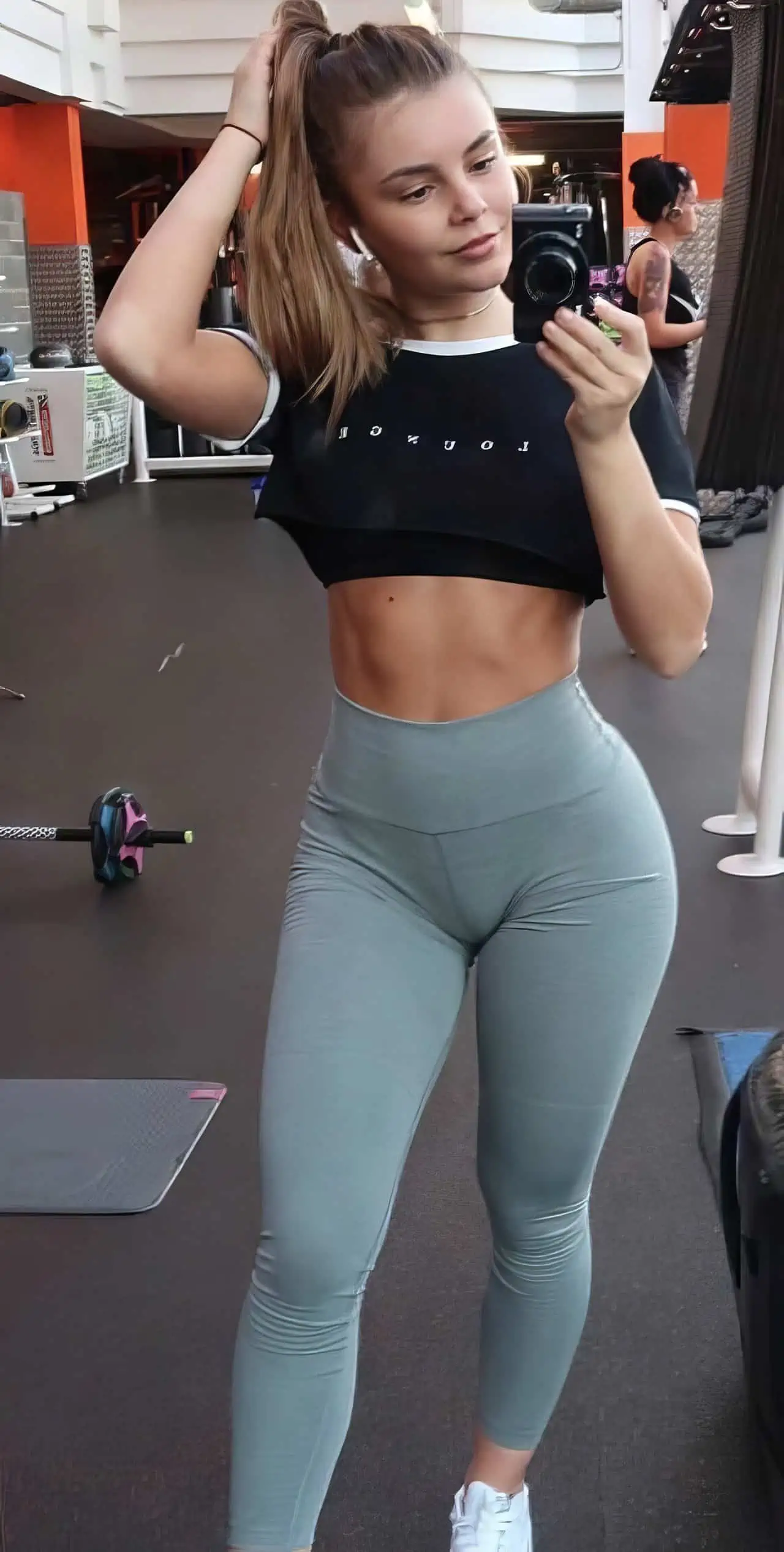















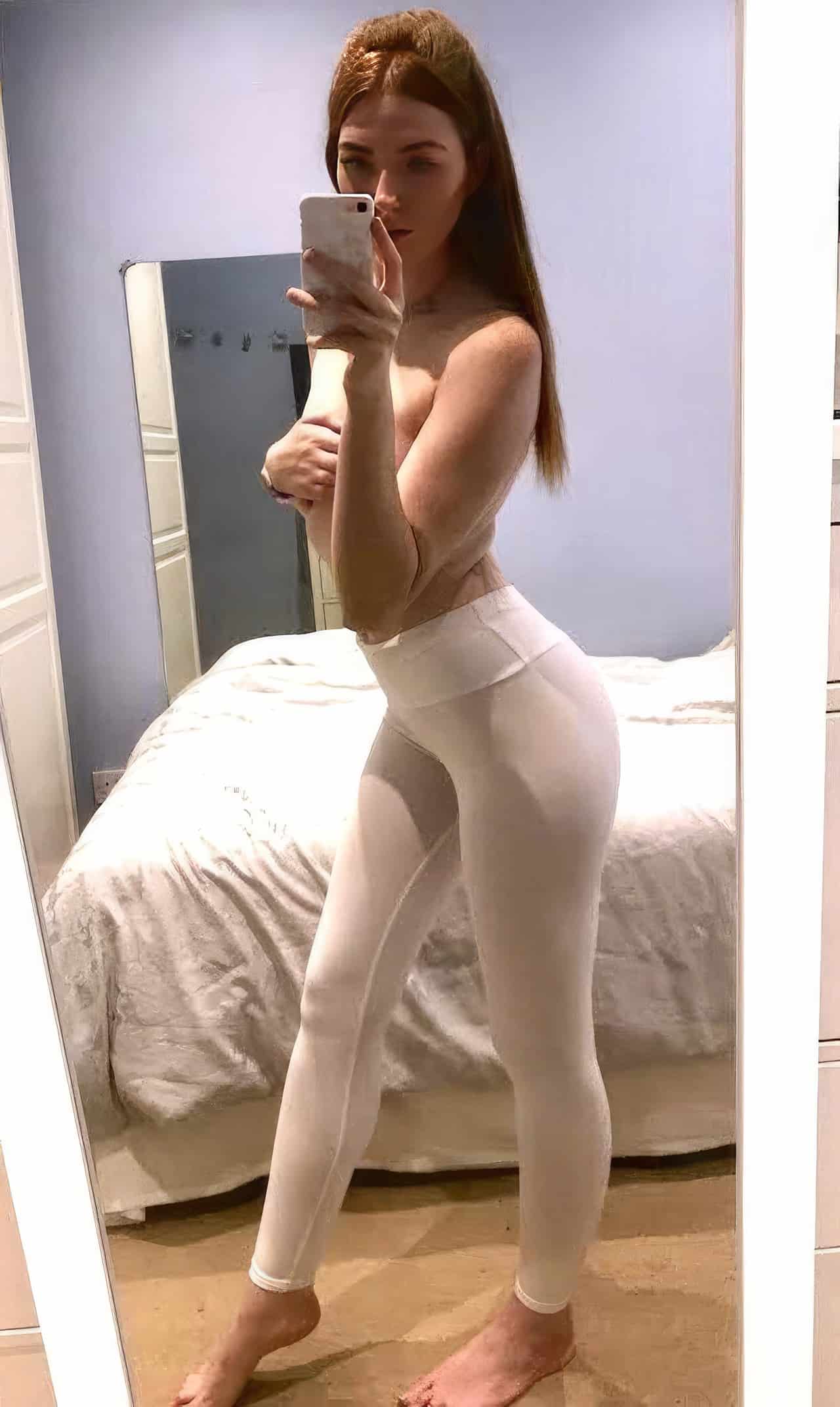























As Annabel Iwegbue notes in her Cosmopolitan editorial breakdown, social media feeds are carefully curated highlight reels. None of it is completely natural. A stunning selfie relies on a two-dimensional illusion, which means contorting your spine into unnatural shapes away from the camera, directly contrasting with your actual resting 3D reality.
Once you accept that physical contortion is standard practice, you can treat these hot pictures for what they really are: essential cultural documentation for your personal archives, or as the internet jokingly calls them, future Document-Based Questions for a history class.
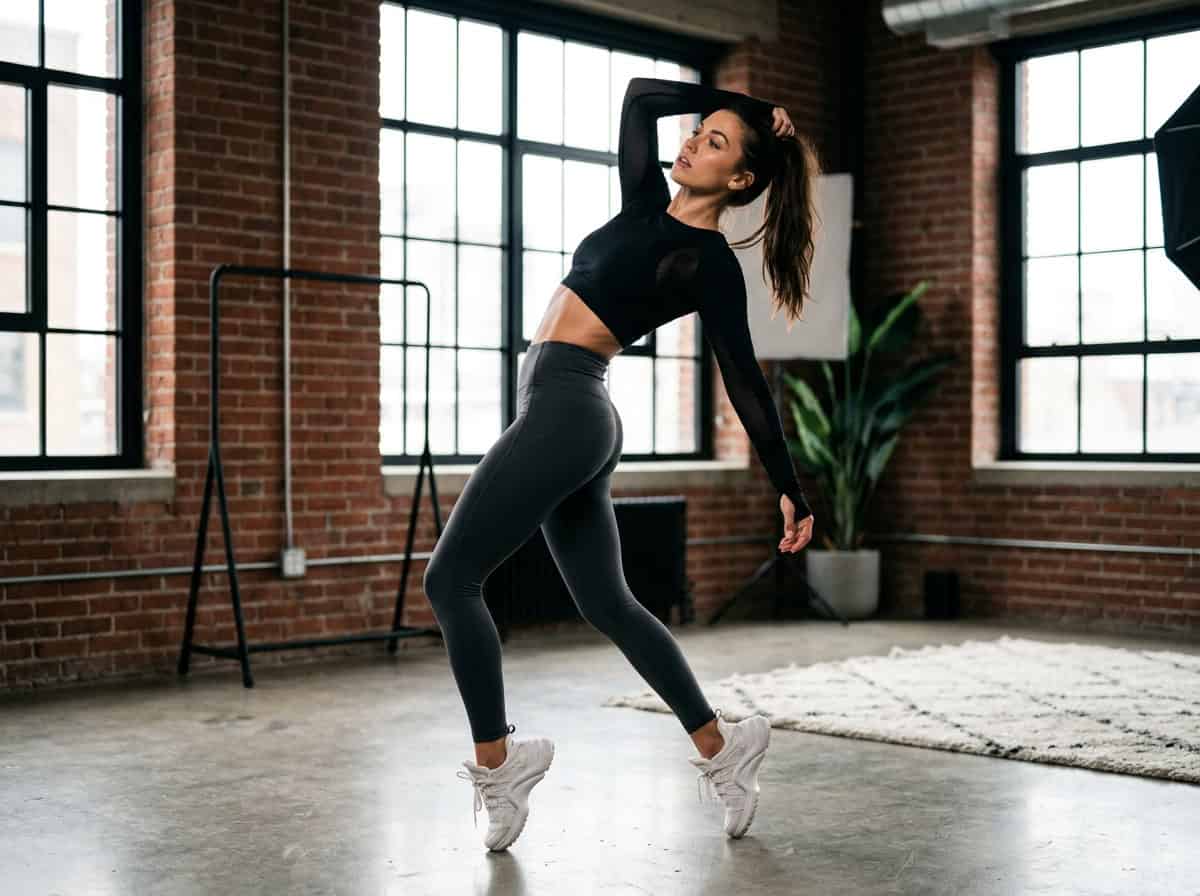
“A stunning selfie relies on a two-dimensional illusion, which means contorting your spine into unnatural shapes away from the camera, directly contrasting with your actual resting 3D reality.”
Hardware Optimization: Lenses and the Camera Focus Tool
You should use the front-facing camera optimized with manual screen settings, because mirror shots require you to clean two separate glass surfaces and leave you fighting against overhead bathroom fluorescence. The biggest obstacle to a sharp image actually has nothing to do with how you look. Basic friction points kill photo quality before you even strike a pose.
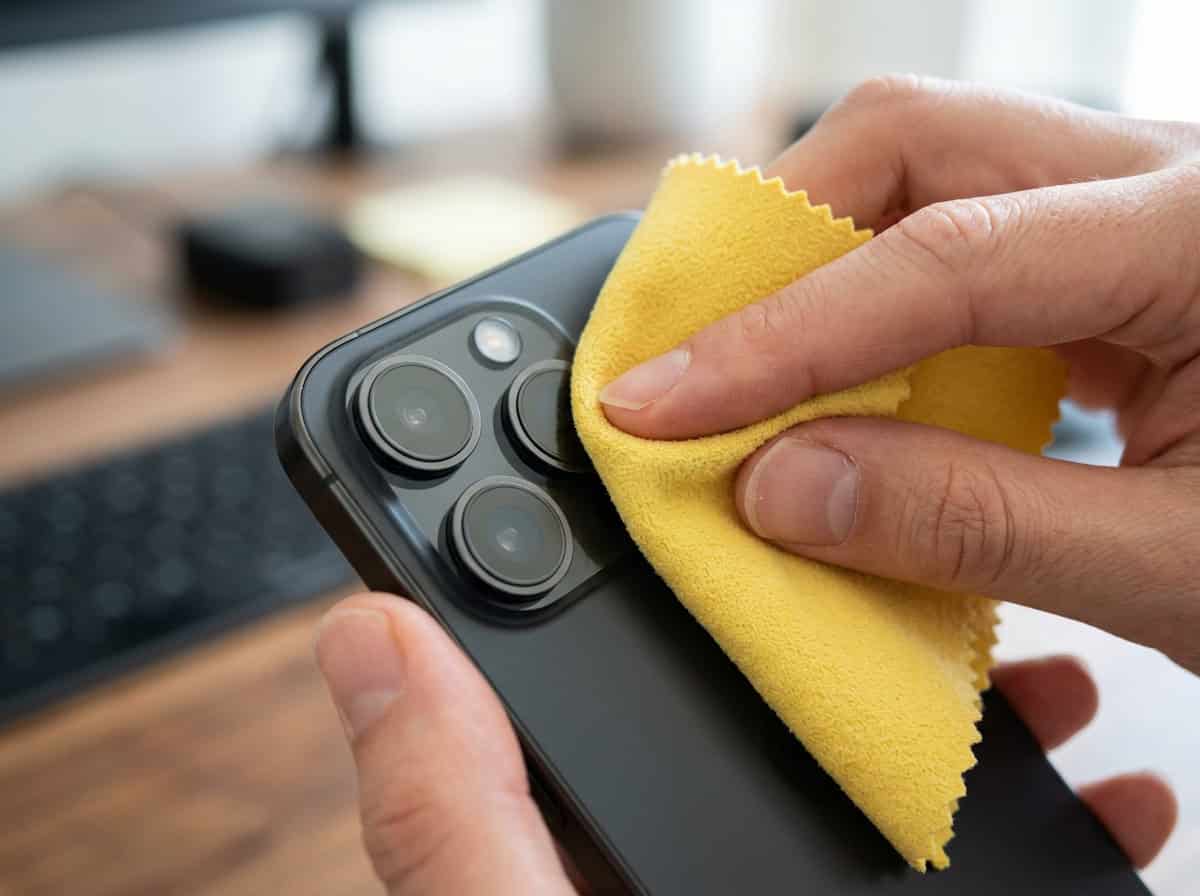
Oily fingertips inevitably touch the front lens when you pocket your phone, causing a hazy blur over your pictures. Do not bother upgrading to an iPhone 17 Pro Max or a Google Pixel 10 Pro XL until you have physically cleaned your current hardware. You need to aggressively scrub away that lens grime using a dedicated microfiber cloth to restore crisp light transmission.

A 12-pack of the HOMEXCEL Microfiber Cleaning Cloth runs about $7 on Amazon and around $15 at Walmart, and it will instantly fix your blurry uploads. Once the glass is clean, step into your environment and actively utilize algorithmic assistance. Manually tap the Camera Focus Tool on your screen to lock the focal point onto your face, commanding the software to automatically blur out any distracting background clutter in your bedroom.
Natural Lighting: Chasing the Golden Hour Glow
Yes, golden hour sunlight is actually better than an artificial ring light because directional window light acts as a flattering built-in skin filter without casting harsh electronic shadows. You can ditch the complex studio setups.

According to lifestyle writer Carina Hsieh, finding a window with the sun streaming in creates an ideal natural aesthetic that requires zero digital tweaking. The trick is precise timing. Rather than just timing it generally, use dedicated Golden Hour apps to precisely track the sun. Late afternoon sunlight provides a warm, diffused filter that naturally evens out skin tones.
You want to aim specifically for the golden hour window just before the sun sets, which baths the subject in a highly forgiving ethereal glow. If you step directly into this streaming light path, the sun handles all of the color correction and contrast work for you. It completely removes the need to aggressively airbrush your face later.
Master Camera Heights for Flattering Hot Selfies
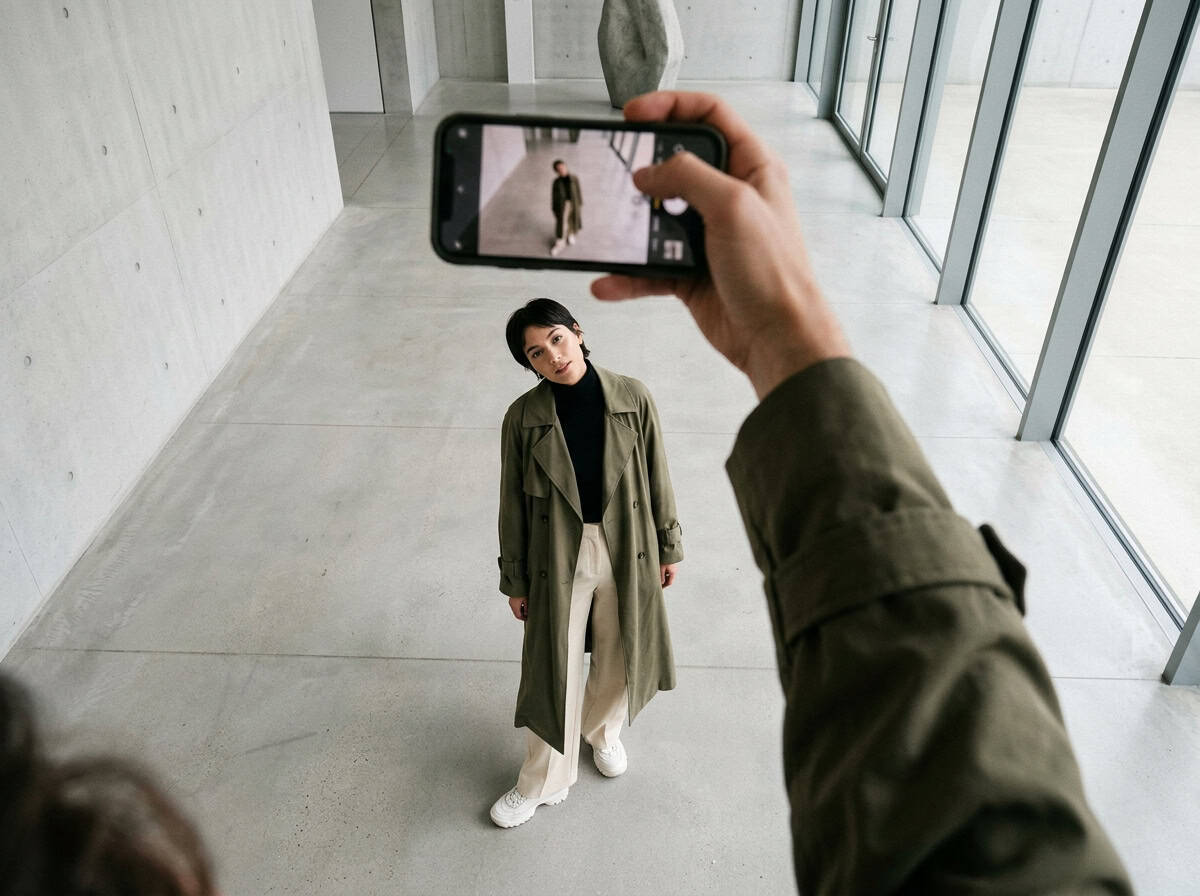
To find the most flattering camera angles for your face and body, extend the camera diagonally overhead at a downward tilt for full-length shots, or drop it slightly below chin level for close-ups. Posing is an exercise in camera geometry.
The High-above Angle
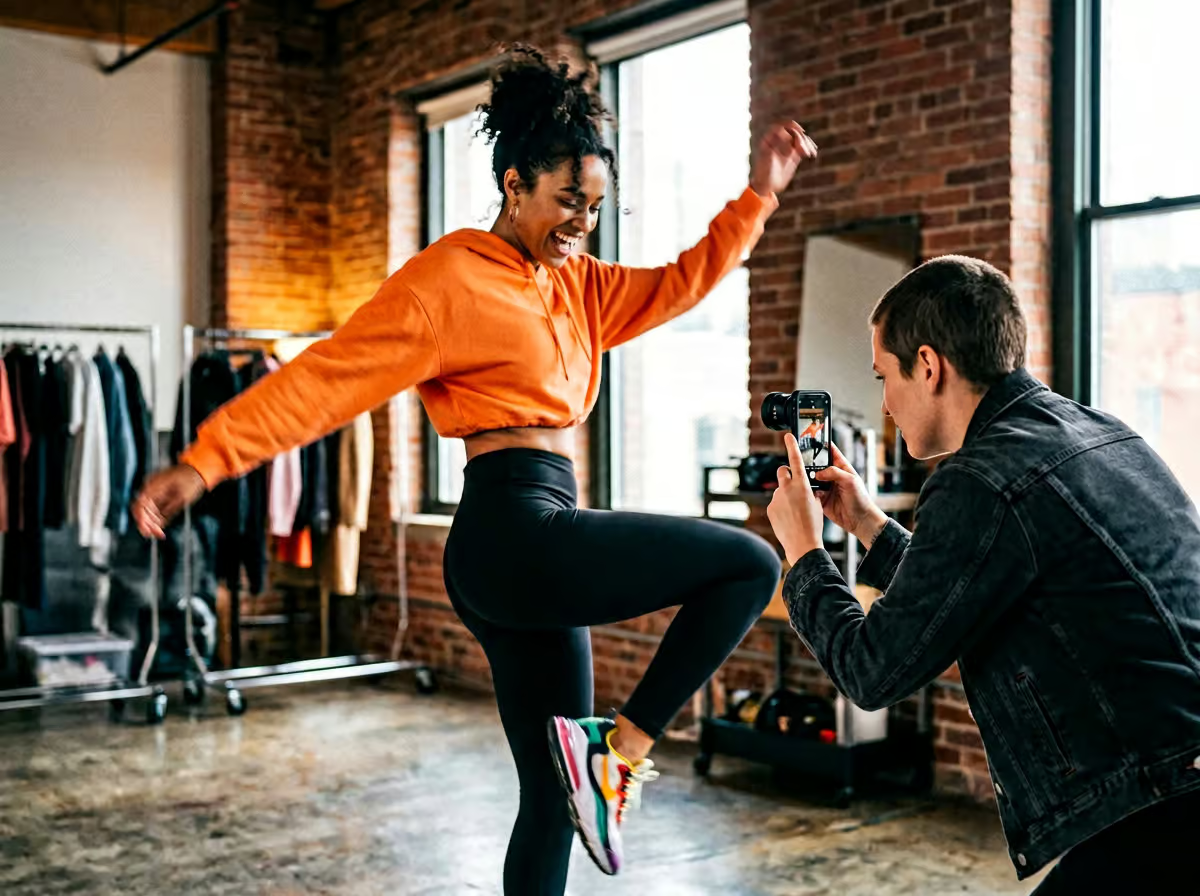
The height of your phone dictates whether limbs look compressed or visually stretched on the screen. Have your partner extend their arm to shoot from a notably high downward trajectory. Influencer Stephanie Yeboah relies entirely on this high-above angle because it easily fits the entire outline of your body silhouette inside the frame without digitally squashing your height. When the lens looks down at you, it naturally slims the lower half of the body while making the eyes appear larger.
The Subtle Facial Undershoot
When you want to prioritize the face over the body, drop the hardware completely. Position the phone slightly lower than chest height while actively pushing your chin forward. This combination of deliberate jawline jutting paired with a subtle camera undershoot aggressively sculpts the facial profile. It tightens the skin beneath the chin and naturally catches the shadows cast by the window light, giving you defined facial geometry without feeling like you are trying too hard.
The Hip Tilt and Tiptoes: Geometric Body Posing
Point your upper body away from the camera while arching your back and standing on tiptoes to radically exaggerate natural body proportions. At Unfinished Man, we appreciate honesty, and the honest truth is that these camera-flattering shapes require literal core muscle strain to hold.
The Lower-body Elongation
To fix compressed-looking legs, you have to trick the camera’s perspective. Sam Feher from the reality series Summer House utilizes a specific stance to dictate proportion. She executes a sharp hip tilt away from the lens, combined with aggressive leg elongation secured by standing directly on her tiptoes.
Putting one foot in front of the other immediately makes the hips tilt backward. This physical shift makes the thighs appear thicker in stark contrast to the waist, maximizing the optical illusion of the camera lens.
The Upper-body Alignment
Once the lower half is planted on tiptoes, the torso requires structural tension. You cannot slouch in a thirst trap. You need to pull your shoulders completely back to force strict spine alignment, paired with a pronounced collarbone extension to catch the sunlight.
Pointing the upper body slightly away from the lens while holding this tense arch is exhausting. Mainstream advice rarely discusses the literal physical fatigue required to hold these contortions, which is why executing the shot relies on speed rather than perfection.
Volume Shooting: the 100+ Outtake Confidence Method
Execute a massive burst of over 100 photos using rapid leg alternations without stopping to look at the screen, guaranteeing at least one flawless image by sheer statistical probability. Hesitation and self-consciousness will ruin your posture.

Model Jessica Wu recommends adopting singer Tate McRae’s exact philosophy: “Live now, think later.” The goal is relentless volume shooting, transitioning from wide stances to front-pointing legs without a single pause for outtake assessment. Treat the session like a hypeman exercise.
If you are taking the photos of your partner, you need to vocally encourage them the entire time to break the awkward tension. Generate massive amounts of outtakes in rapid succession. Stopping to over-analyze your appearance or review the camera roll mid-session kills your momentum. Blind, rapid-fire shooting yields a vastly higher percentage of usable photos than slow, careful deliberation ever will.
Post-production: Refining the Final Shared Images
Avoid the digital crop tool entirely to preserve pixel density, and use designated presets to subtly brighten the natural exposure rather than warping features. Once you have a massive folder of options, post-production should only serve to elevate what is already there.








Lock in your physical framing before you ever take the picture. Zooming in or digitally cropping heavily degrades the image quality, destroying the high resolution you just worked to capture. For lighting correction, do not attempt to blindly slide the basic contrast and brightness toggles inside the Instagram app editor—doing so often digitally flattens the image and destroys the organic depth you just created.
Instead, rely on standard creator tools by applying a simple VSCO C1 filter or an imported Lightroom preset. Programs like Lightroom allow you to professionally balance the highlights and shadows with a single click, ensuring the exposure snaps into place without blurring or warping natural skin textures. If you must use Facetune, reserve it strictly for minor fixes like chipped manicures, rather than attempting to restructure physiological geometry.
Editing is about light correction and macro-framing preservation. Whether she’s channeling her own confidence or looking to recreate those sexy Stefanie Joosten photos you both admire, applying a clean, single-click color grade ensures the final image remains sharp, vivid, and incredibly hot.
Frequently Asked Questions
Why do my phone selfies always look hazy and blurry?
You probably just have oily fingerprints smeared across your front-facing camera lens. Before you rush to upgrade your phone hardware, aggressively scrub the glass with a cheap microfiber cloth. This simple friction point ruins photo quality, and wiping it away instantly restores crisp light transmission.
Is a ring light actually better than natural window light for photos?
No, natural sunlight during the golden hour right before sunset beats an artificial ring light every time. Directional window light acts as a highly forgiving, built-in filter that naturally evens out skin tones. By standing directly in its path, sunlight handles all contrast correction without casting harsh electronic shadows.
How do influencers make their legs look longer in selfies?
They use an optical illusion created by geometric posing and physical strain. You need to execute a sharp hip tilt away from the lens while standing aggressively on your tiptoes with one foot slightly in front. This pulls the hips backward, making the thighs look thicker compared to the waist and maximizing the camera’s forced perspective.
What camera angle makes a jawline look the sharpest?
Drop the phone completely so it sits just below chest height and actively push your chin downward and forward toward the lens. This deliberate facial undershoot naturally catches the shadows cast by your light source to sculpt your profile. It aggressively tightens the skin under the chin, giving you a defined facial structure without looking forced.
Why is it so physically difficult to hold a simple pose?
Because a stunning selfie relies on a two-dimensional illusion that directly contradicts how humans comfortably stand in 3D reality. To look good on camera, you have to aggressively arch your back, pull your shoulders back, and strain your core muscles to elongate the body. Professional poses are essentially an exhausting contortion act, which is why you have to shoot fast.
How many pictures should I take to guarantee a good shot?
You should blindly execute a massive burst of over 100 photos without stopping to check the screen. Checking your camera roll mid-session causes hesitation, ruins your posture, and kills your momentum. Firing off high-volume bursts while constantly shifting your legs guarantees at least one flawless image through sheer statistical probability.
Can I just use the digital crop tool if I don’t frame the photo perfectly?
Avoid the digital crop tool completely because zooming heavy-handedly destroys your image quality and ruins pixel density. You should always lock in your physical framing before you press the shutter button. Any post-production zooming digitally flattens the image and destroys the organic depth you just worked to capture.
What’s the difference between editing on Instagram versus using Lightroom presets?
Blindly using Instagram’s basic brightness and contrast sliders artificially flatters your image and destroys natural shadows. Instead, use a clean Lightroom preset or a VSCO C1 filter to organically balance lighting. These professional tools ensure the exposure snaps perfectly into place without warping natural skin textures.


This article brilliantly unpacks the cultural shift behind the ‘hot selfie’ phenomenon—where self-expression meets personal branding in the digital age. As a portrait photographer, I especially appreciate the analysis of lighting techniques (that golden hour glow truly is cheat mode for sculpted features).
One observation: The most compelling selfies often come from a place of relaxed confidence. I’ve noticed clients who use massage cushions (https://avohug.com/) during pre-shoot prep consistently deliver more natural, tension-free expressions. There’s science here – reduced muscle stiffness literally changes how we hold our faces.
The piece could expand on how AI tools (like Photoshop’s new Generative AI) are democratizing professional-grade retouching. Will ‘authenticity’ become the new premium when everyone can airbrush flawlessly? Regardless, your tip about ‘smizing’ (smiling with eyes) remains timeless advice. More proof that the best tech enhances human qualities rather than replacing them.